Reproductive Imagination
2022
Artist Book
The development of digital technologies has established a new standard of precision in reproduction. As a result, it is often assumed that the distinction between original and copy has lost its relevance. Yet this assumption raises a more fundamental question: what allows one object to be understood as a reproduction of another in the first place?
Historically, the categories of original and copy have been closely tied to ownership, commodification, and systems of value. Their hierarchical relationship emerged in the context of industrialization and mass production, where technological reproduction became a condition of economic exchange. The value attributed to originality is therefore not an inherent property of objects but part of broader social and economic structures.
To speak of a reproduction at all, a relationship between two things must be established. This relationship is commonly understood as one of identity. However, two objects can never be completely identical. They differ at least in time and space. What can be established instead is a categorical sameness based on selected and shared properties.
This process of selecting similarities is an act of abstraction. Abstraction reduces complexity and enables different objects, images, or events to be understood as equivalent within a particular framework. The framework determines which properties are considered relevant and therefore shapes both representation and meaning.
Imagination plays a central role in this process. Rather than merely reproducing existing images, it actively constructs relationships between things. Imagination allows subjects to connect individual elements into coherent narratives, to visualize what is not immediately present, and to generate meaning through acts of comparison and abstraction.
From this perspective, reproduction and imagination cannot be understood separately. Every technical or cultural reproduction depends on imaginative processes that establish similarity, while imagination itself relies on existing representations and reproductions. Their relationship is therefore one of mutual constitution.
The central question of this research is whether a more precise understanding of imagination can contribute to a better description of reproduction. If reproductions are not based on identity but on abstraction, then imagination appears as the cognitive operation through which reproductions become possible. The distinction between original and copy can consequently be understood less as an ontological difference between objects than as a value attribution produced within specific cultural, social, and economic frameworks.
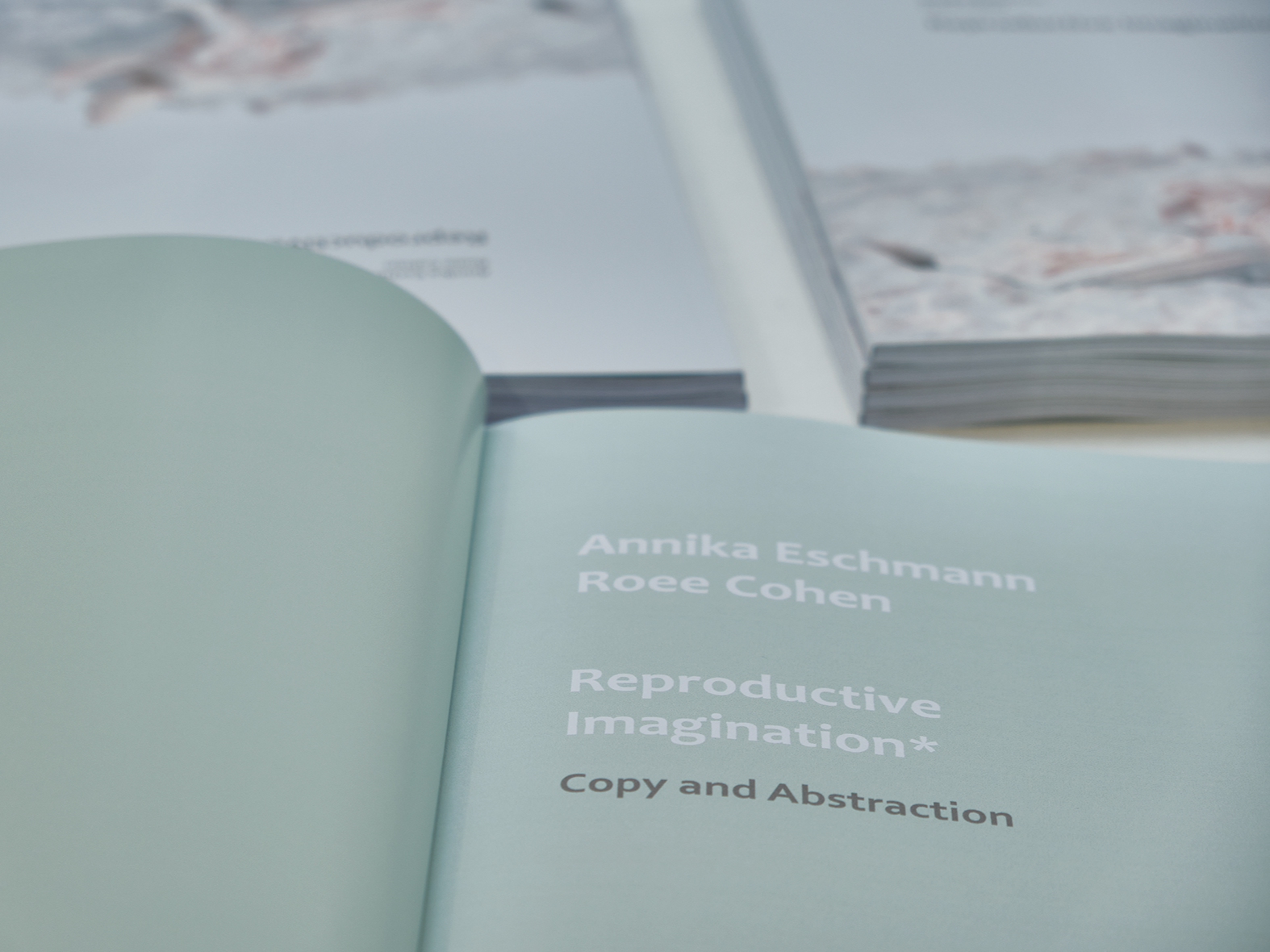
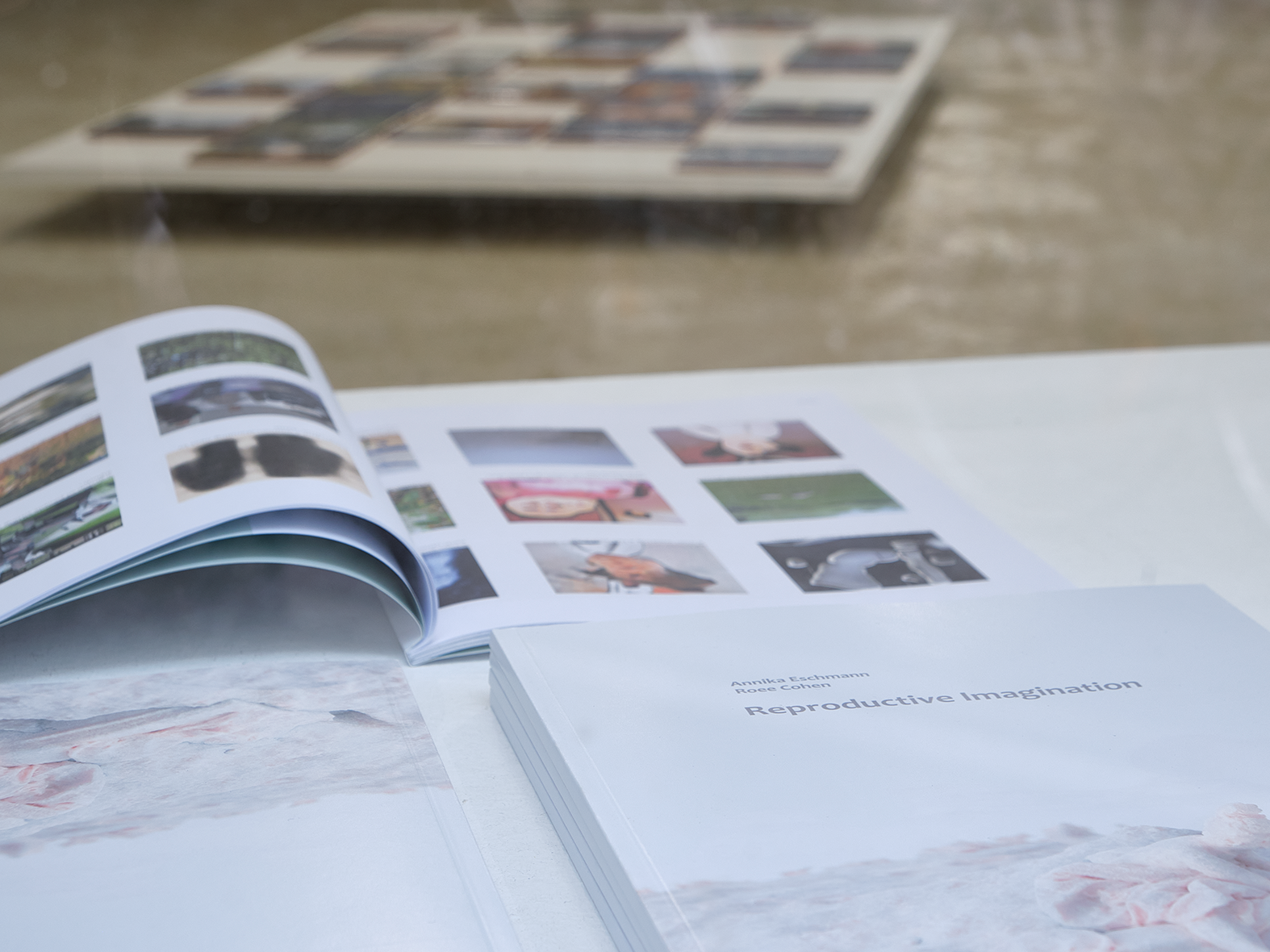
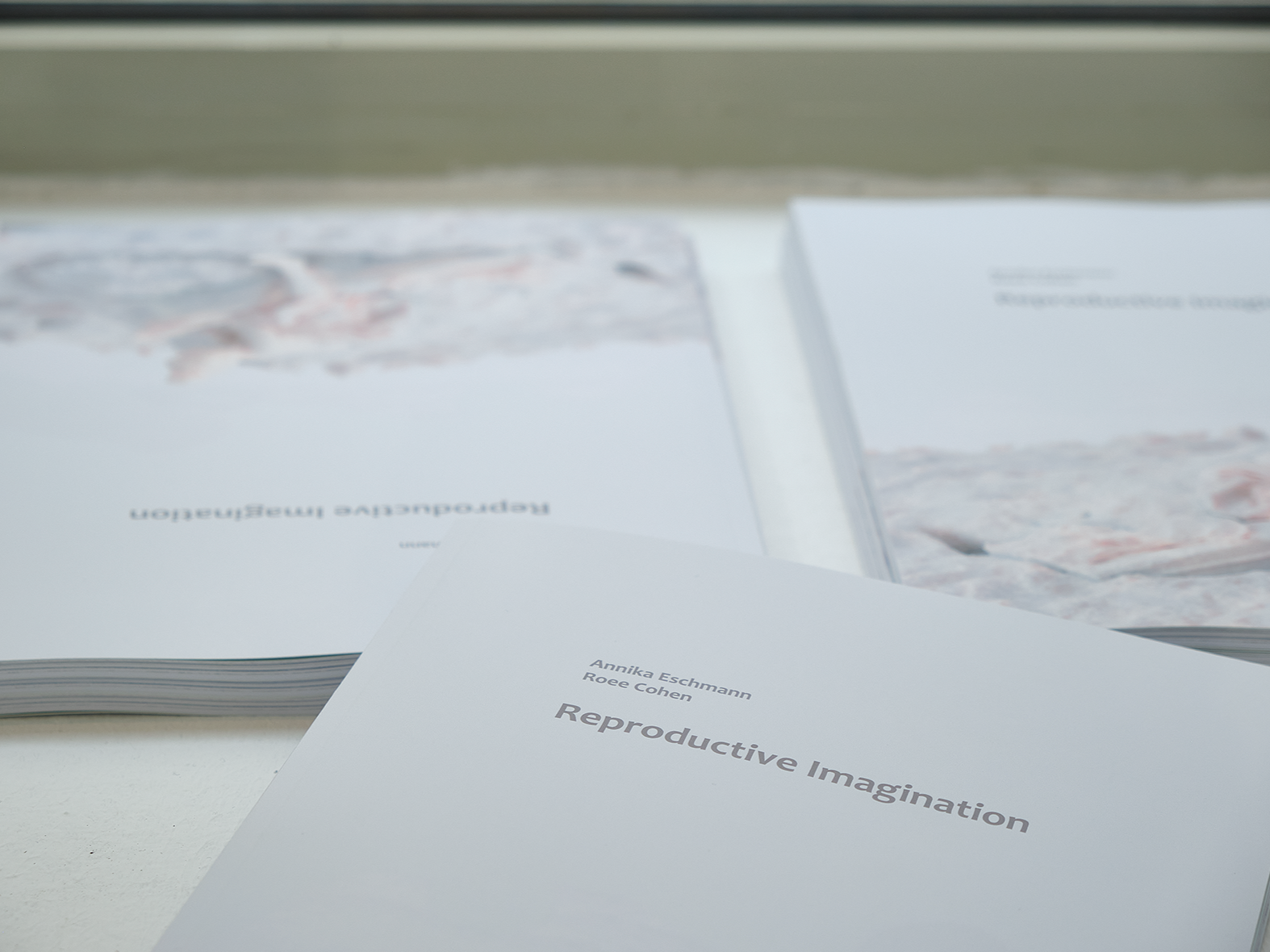
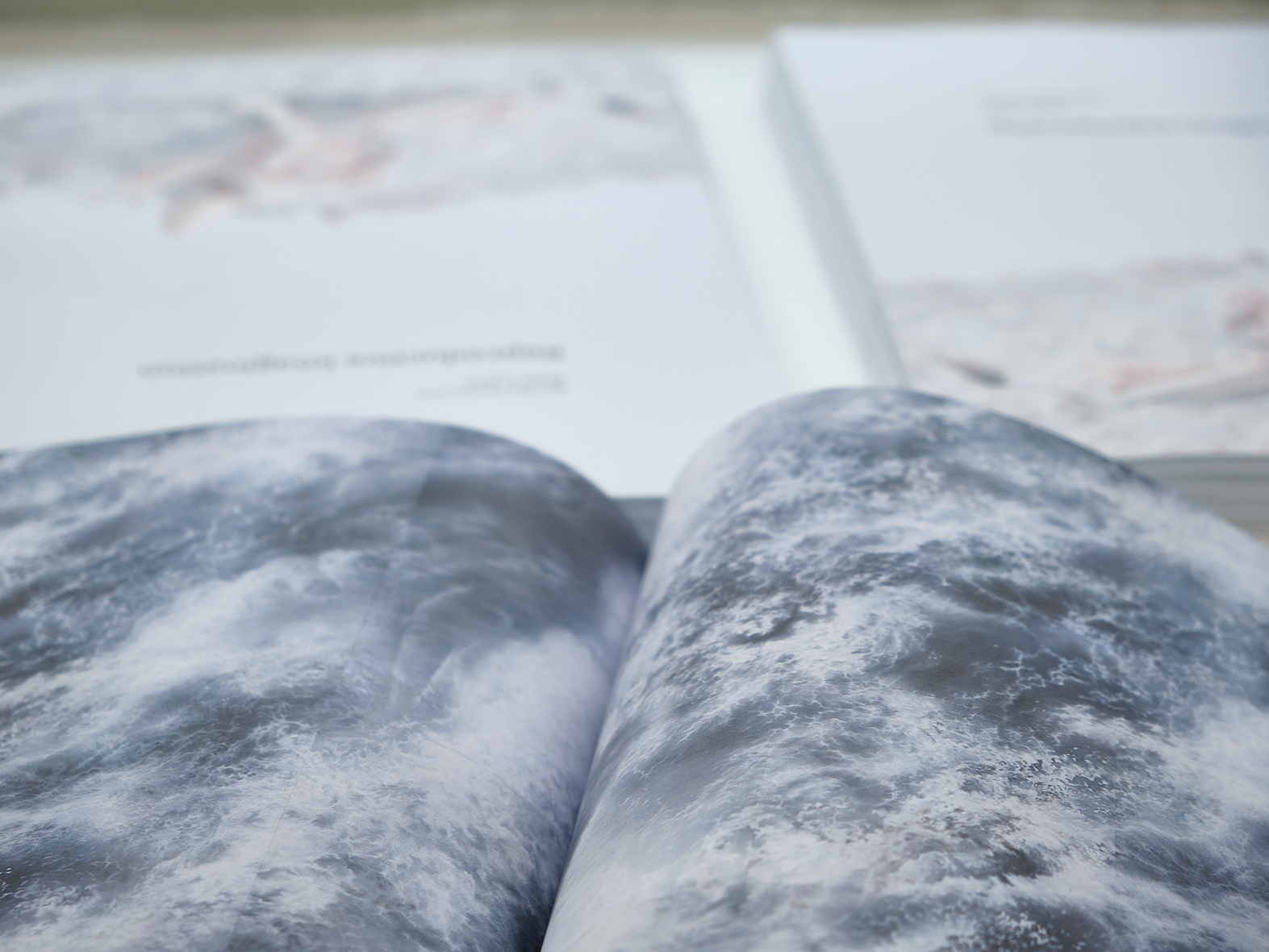
The zine was produced as part of the exhibition Reproductive Imagination. It provides additional material and context for the exhibited works and expands on the themes of reproduction, abstraction, archives, and the construction of meaning.
Situated between exhibition catalogue, artist's book, archive excerpt, and project report, the publication combines texts, images, and archival material. A narrative running through the publication invites readers to engage with the processes of selection, abstraction, and interpretation that underpin the project.